
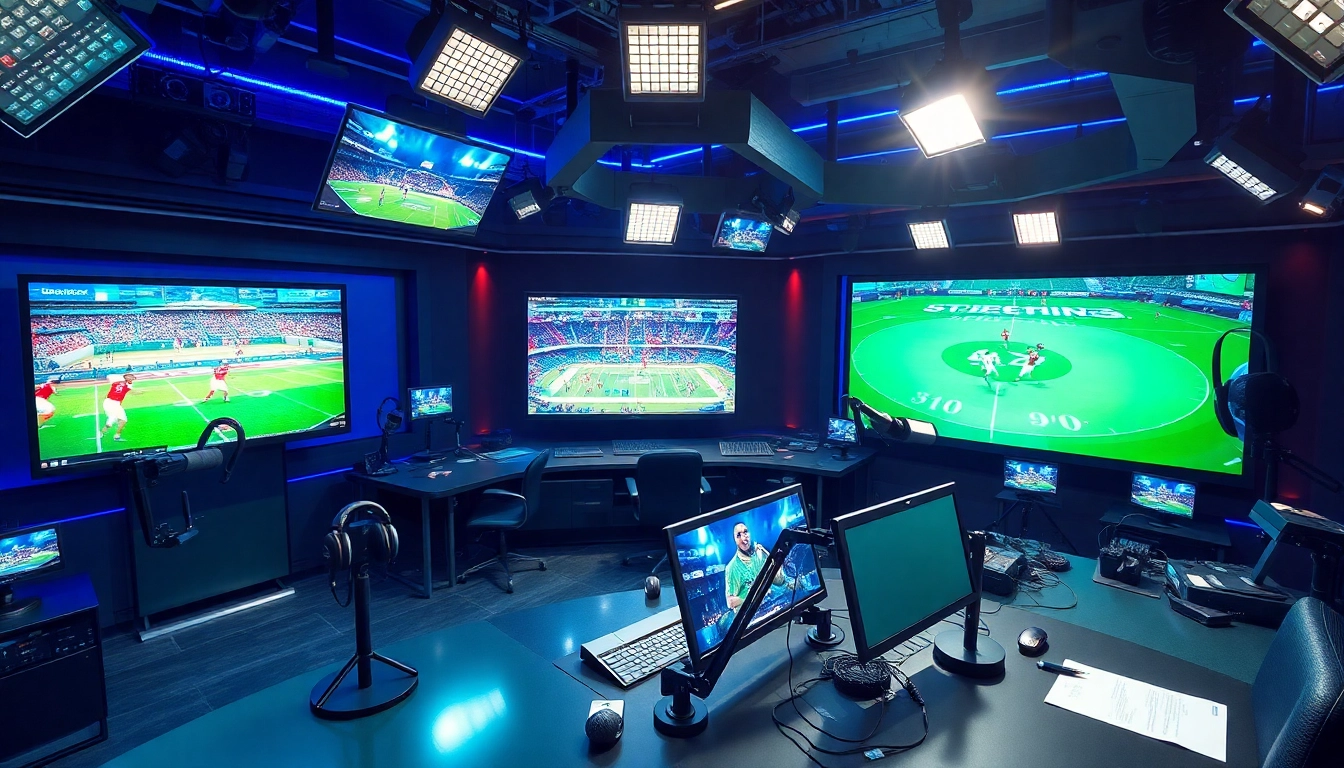
Introduction to Sports Broadcasting
Sports broadcasting has emerged as a significant fixture in the realm of media, capturing the attention of billions worldwide. It involves the real-time transmission of sporting events and discussions surrounding them through various formats such as television, radio, and online platforms. As the industry continually evolves, understanding the intricacies of Sports Broadcasting becomes essential for professionals aiming to engage an ever-growing audience.
Definition of Sports Broadcasting
Sports broadcasting refers to the dissemination of live sporting events and related content via media channels. This can encompass everything from play-by-play commentary and analysis to highlight shows and live reporting. With the advent of digital technologies, the scope of sports broadcasting has expanded significantly, incorporating mobile apps, podcasts, and even social media snapshots that now make up a vital part of the viewer experience.
Evolving Landscape of Sports Broadcasting
The landscape of sports broadcasting has undergone a dramatic transformation, particularly with the rise of digital technologies. Traditional models dominated by cable networks have started to give way to streaming platforms and social media channels, such as YouTube and Facebook. Sports leagues are now increasingly pioneering their apps and broadcast solutions, allowing fans to access content in ways previously unimaginable. The ongoing evolution shows no signs of waning, as advancements in technology continue to reshape how sports are consumed.
Importance of Sports Broadcasting in Modern Media
Sports broadcasting has taken center stage in modern media, proving essential for maintaining fan engagement and fostering community. Its significance spans beyond mere entertainment. It serves as a conduit for advertising, sponsorship, and brand partnerships, generating substantial revenue for leagues, teams, and networks alike. By providing sports enthusiasts with timely insights and exceptional viewing experiences, the industry strengthens loyalty and community ties.
Key Elements of Effective Sports Broadcasting
Technical Aspects and Equipment
Behind every broadcast lies a sophisticated network of technical equipment and expertise. Essential elements include high-definition cameras, audio mixing consoles, and broadcasting software to ensure crisp clarity in both visual and auditory presentations. The adoption of technologies like 4K resolutions, drone cameras, and augmented reality enhances viewer engagement, offering immersive experiences. Understanding these elements is vital for sports broadcasters aiming to elevate their content production quality.
On-Air Presentation Skills
The ability to convey information clearly and engagingly is paramount for on-air personalities. Effective broadcasters must combine charisma with articulate speech and professionalism. Training in voice modulation, body language, and audience interaction can significantly impact how viewers perceive the broadcast. A skilled presenter doesn't just deliver content; they create narratives that draw audiences in, facilitating a compelling storytelling experience that keeps viewers returning for more.
Content Planning and Scheduling
Strategic content planning is crucial in sports broadcasting. Producers and teams must meticulously schedule games, interviews, and special segments to optimize viewership. Understanding peak audience times ensures that broadcasts capture the largest audience possible. Incorporating content that resonates with specific demographics, while also keeping in mind seasonality and upcoming events, can significantly enhance viewer engagement and keep the audience invested in the narrative presented by the broadcasters.
Challenges in Sports Broadcasting
Adapting to Technological Changes
The rapid pace of technological innovation poses both opportunities and challenges for sports broadcasters. Adapting to new broadcasting technologies—such as 5G for live-streaming, or advanced analytics for gameplay breakdowns—requires ongoing investment and training. Broadcasters must remain current with trends and be willing to invest in new technologies to remain competitive, ensuring they deliver high-quality content that meets the modern audience's expectations.
Meeting Audience Expectations
Today’s audiences expect more than simple game coverage; they crave in-depth analysis, interactive experiences, and exclusive content. Understanding these expectations involves utilizing analytics and audience feedback to evaluate content performance continually. By focusing on what resonates with their audience—while encouraging interaction through polls, social media engagement, and live chats—broadcasters can create personalized experiences that foster loyalty and excitement.
Competition with Online Streaming Platforms
The rise of online streaming platforms significantly intensifies the competition faced by traditional broadcasters. Services like Netflix, Amazon Prime, and Hulu now offer sports content, drawing viewers away from conventional cable subscriptions. In response, broadcasters must innovate their delivery methods, perhaps by creating subscription services, enhancing mobile-friendly options, or incorporating unique content not found on traditional networks. Embracing this shift is imperative for survival in the competitive landscape.
Best Practices for Sports Broadcasting
Engaging Your Audience Through Narrative
Crafting compelling narratives during sports broadcasts can elevate viewer experience. By weaving stories into statistics and commentary, broadcasters can create deeper emotional connections. Captivating narratives promote engagement, inviting audiences to invest in the characters and events they watch. An effective narrative structure may include background stories, player profiles, and historical context—all weaving together to create an immersive viewing experience.
Utilizing Social Media for Interaction
Social media platforms offer exceptional opportunities for sports broadcasters to engage directly with audiences. By sharing highlights, live reactions, and behind-the-scenes content, broadcasters can foster community and conversation around their content. Active engagement on platforms like Twitter, Instagram, and TikTok not only enhances the viewing experience but also builds brand loyalty among fans who seek instant interaction and connection with their favorite teams and players.
Monitoring Performance Metrics
Understanding the performance of broadcasts is crucial in today's data-driven environment. Metrics such as viewer ratings, audience retention, and social media interactions provide insights into audience preferences. By analyzing these metrics regularly, broadcasters can identify weaknesses and strengths in their programming, enabling them to adapt content strategies and improve overall engagement. These analytical insights empower broadcasters to make informed decisions that enhance the viewer experience.
Future Trends in Sports Broadcasting
Impact of AI and Virtual Reality
The integration of Artificial Intelligence (AI) and Virtual Reality (VR) is poised to revolutionize sports broadcasting. AI technologies can analyze data efficiently, providing real-time insights and enhancing the viewer experience through personalized content recommendations. Virtual Reality offers immersive experiences that can transport viewers to a different perspective of the game, making them feel as if they are part of the action. These technologies promise to redefine viewer engagement and understanding of sports.
Expanding Global Reach
Sports broadcasting is increasingly venturing into international territories, broadening the reach of leagues and teams. This globalization allows broadcasters to cater to diverse audiences, offering multilingual commentary and addressing cultural preferences. By leveraging global partnerships and platforms, broadcasters can tap into new revenue streams and fan bases that were previously inaccessible, creating a more unified sports culture that transcends geographical borders.
Personalization of Broadcast Content
Personalization is becoming a cornerstone of effective sports broadcasting. By utilizing data analytics and machine learning, broadcasters can tailor content according to individual viewer preferences. Features like customizable viewing options—such as camera angles, commentary choices, or highlight packages—enable fans to create the sports experience they desire. As technology evolves, further personalization will enhance viewer loyalty and satisfaction.
Frequently Asked Questions
What is sports broadcasting?
Sports broadcasting involves the live transmission of sporting events and related commentary through media channels, including TV, radio, and digital platforms.
How has technology changed sports broadcasting?
Technology has transformed sports broadcasting by enabling high-definition video, real-time analytics, and live-streaming options, enhancing viewer experiences.
What skills are essential for a sports broadcaster?
Essential skills include excellent communication, quick-thinking, on-air presentation, storytelling, and a deep understanding of the sports covered.
How can social media improve sports broadcasting?
Social media allows broadcasters to interact with fans, share behind-the-scenes content, and promote engagement, enhancing viewer experience and community.
What are future trends in sports broadcasting?
Future trends include AI and VR integration, content personalization, and global reach expansion, reshaping how audiences engage with sports content.